 Foreign News Service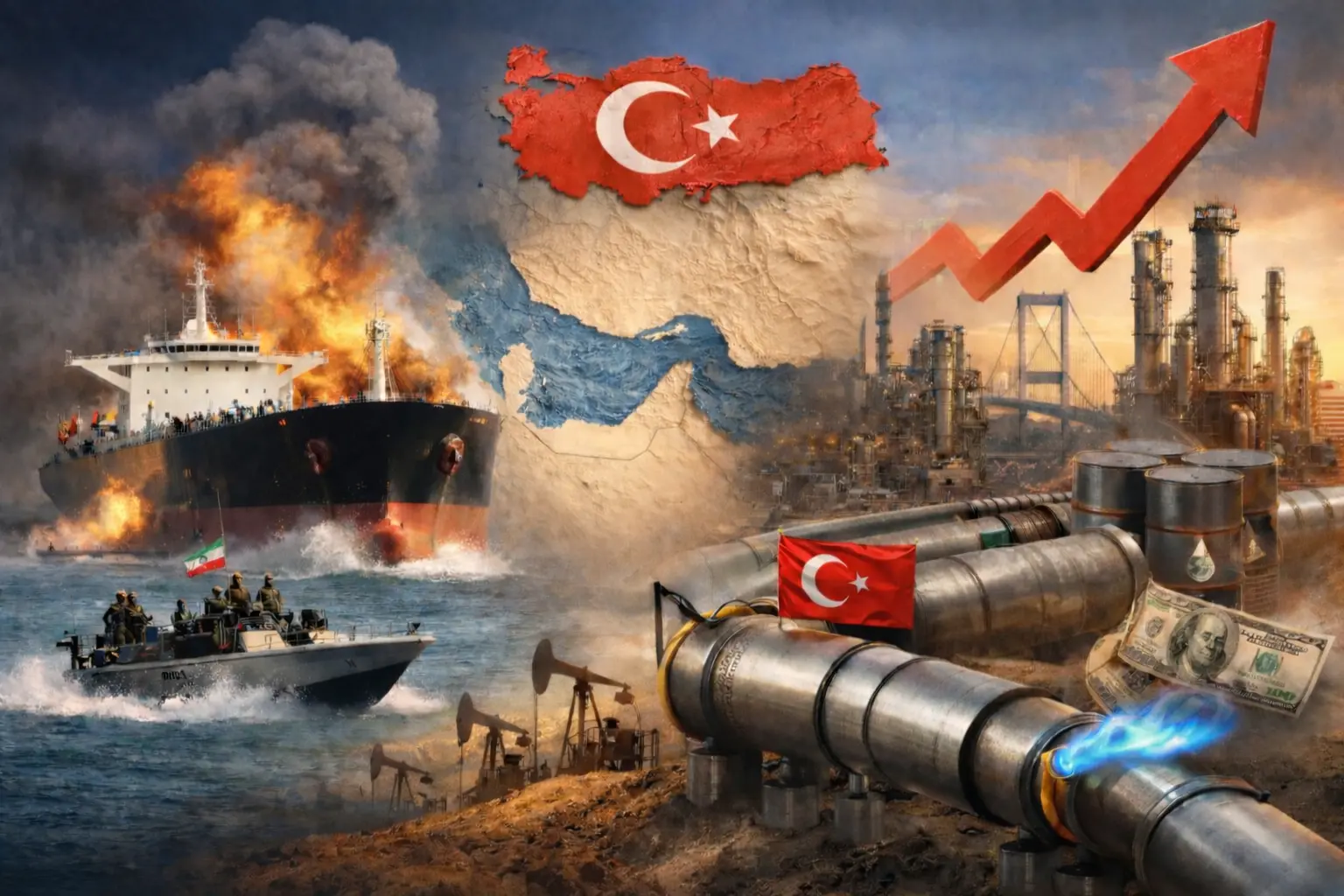
The US and Israeli attacks on Iran rendered the Strait of Hormuz virtually unusable, leading to serious disruptions in the global energy supply, and alternative export routes It increased the interest.
During this process, he possesses pipelines and transit connections Thanks to this, Türkiye is seen by many experts as one of the leading options.
Increased Risks and Restrictions in the Strait of Hormuz
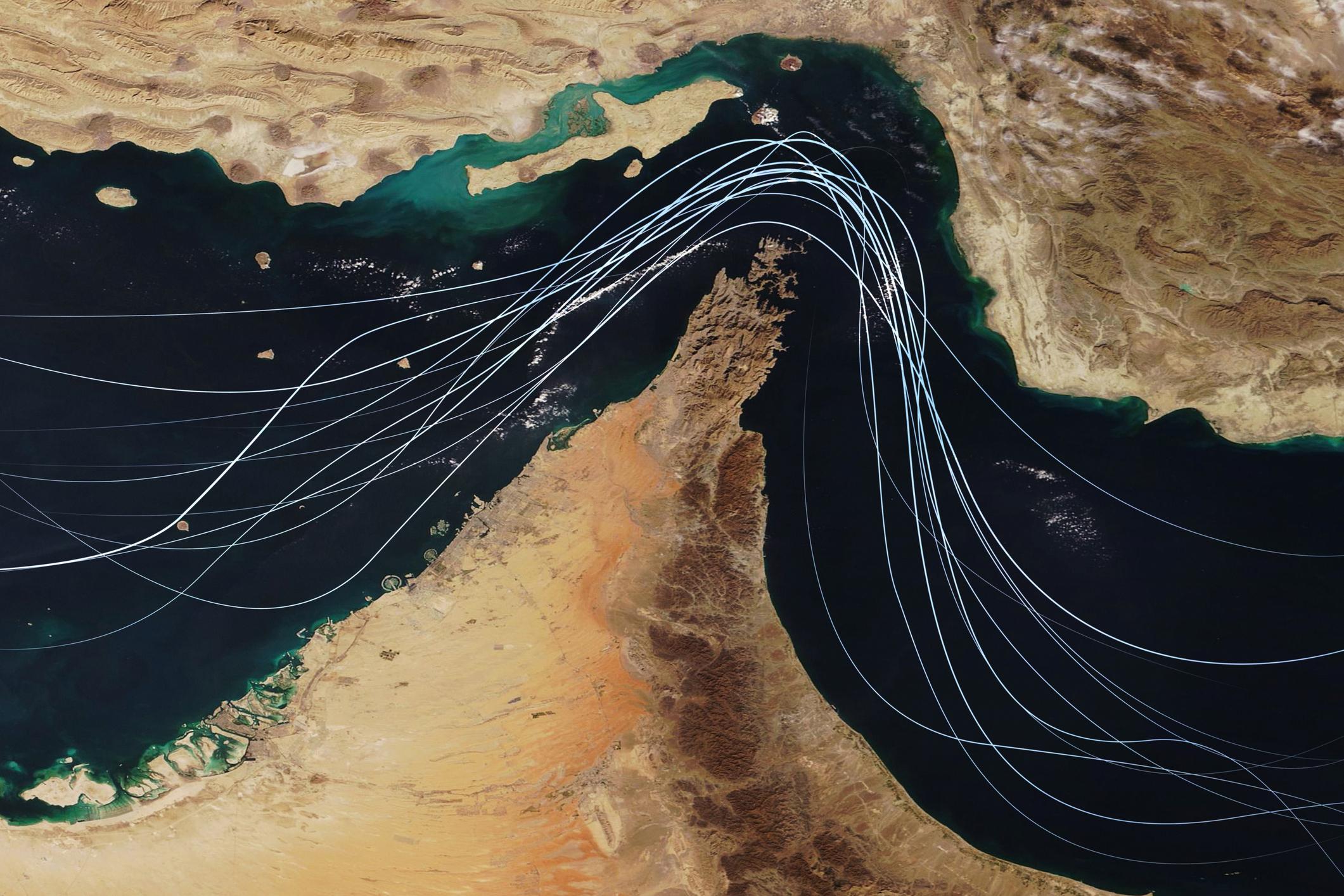
Although the Strait of Hormuz has not been officially closed, the Iranian government is imposing restrictions on maritime traffic and oil shipments. strict controls It implements this. While ships from some countries are granted free passage, others are subject to restrictions. conditional access in question.
Dünya petrol ticaretinin yaklaşık %20’sinin geçtiği bu kritik hat üzerindeki aksaklıklar, approximately 15 million barrels per day This put oil flow at risk. Tanker traffic slowed significantly; on some days it almost came to a complete standstill, affecting general transit. %90’dan fazla düşüş Increased insurance costs and security concerns further complicated shipments.
These developments also rapidly increased energy prices. The price of oil rose from $70 to $120 per barrel, while TTF gas prices in Europe increased from approximately €30 to the €60-70 range. Although the International Energy Agency (IEA) activated an emergency reserve of 400 million barrels to ease the market, the possibility of regional war continues to cause price fluctuations.
Limited Capacity of Alternative Routes
Although alternative routes exist, their capacity is limited. Pipelines passing through Saudi Arabia and the United Arab Emirates can only offer a total of 3.5 to 5.5 million barrels of additional capacity. This figure is less than the approximately 20 million barrels per day that pass through the Strait of Hormuz. considerably below It remains.
At this point, Türkiye's strategic importance comes to the forefront again. Energy and Natural Resources Minister Alparslan Bayraktar, speaking about the pipeline stretching from Kirkuk to Ceyhan... Iraq-Türkiye Oil Pipeline He stated that it has a daily capacity of 1.5 million barrels and could be used more intensively. Furthermore, the possibility of transporting Qatari gas to Europe via Turkey is also gaining prominence, particularly due to the risks involved in LNG transportation.
Türkiye is also strengthening its role in the transmission of natural gas to Europe. TurkStream As the amount of gas transported increases, deliveries on the Kirkuk-Ceyhan pipeline are also expected to gradually rise.
A New Era in Global Energy Supply
According to experts, Türkiye will be located between the Caspian Sea, the Middle East, and Europe in the medium term. an important energy corridor It could become a reality. However, the current infrastructure is not sufficient to compensate for large-scale disruptions in the short term.
Claudia Kemfert of the German Institute for Economic Research states that a prolonged crisis in the Strait of Hormuz would keep oil and LNG prices high and increase reliance on strategic reserves. According to Kemfert, the current alternatives... while failing to close the global deficit, This situation makes the markets fragile.
It is also considered that continued instability in the Strait of Hormuz could accelerate the trend towards reducing dependence on the Gulf, and that alternative suppliers such as the US, Norway, and North Africa could benefit from this.