 Foreign News Service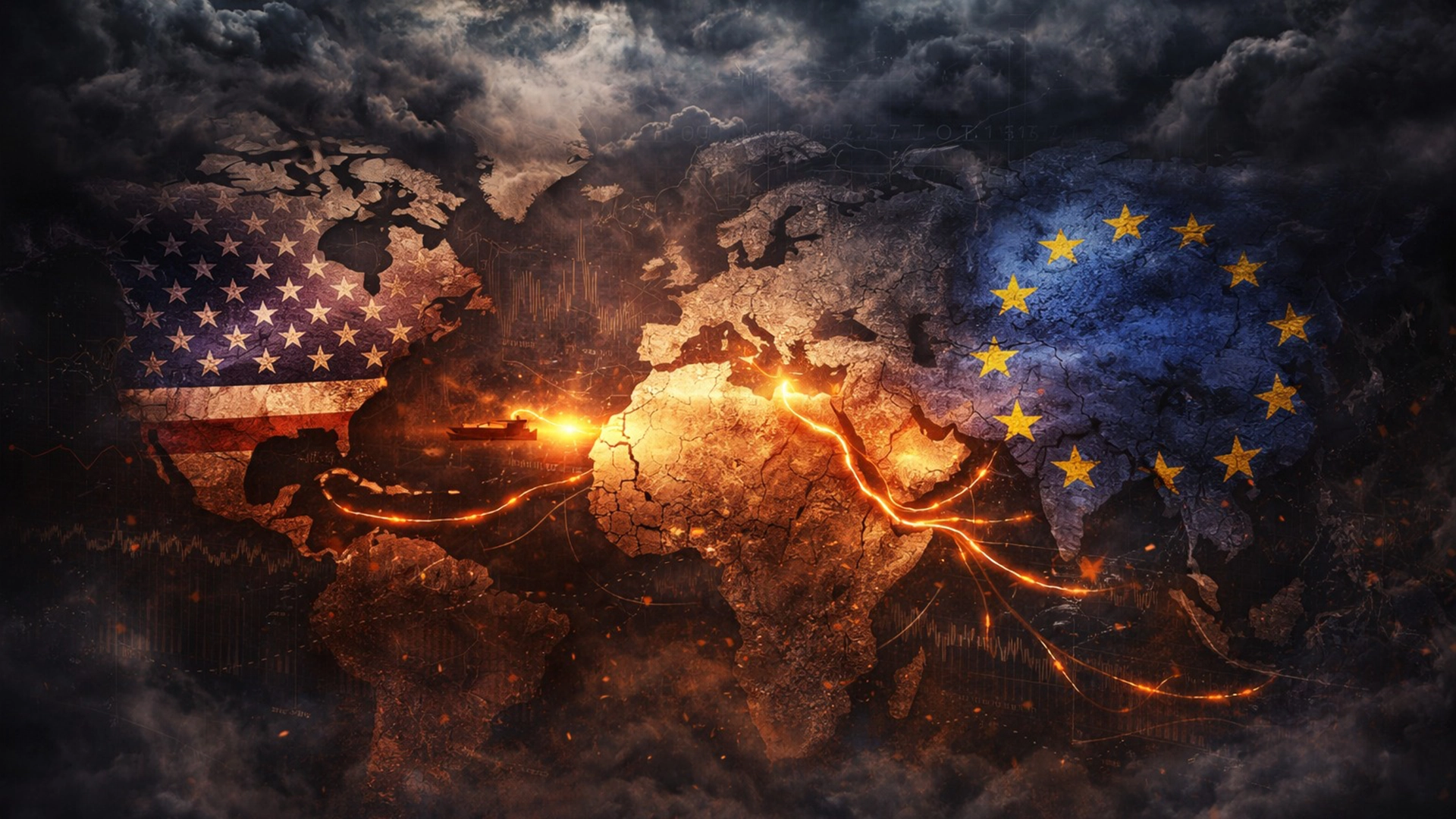
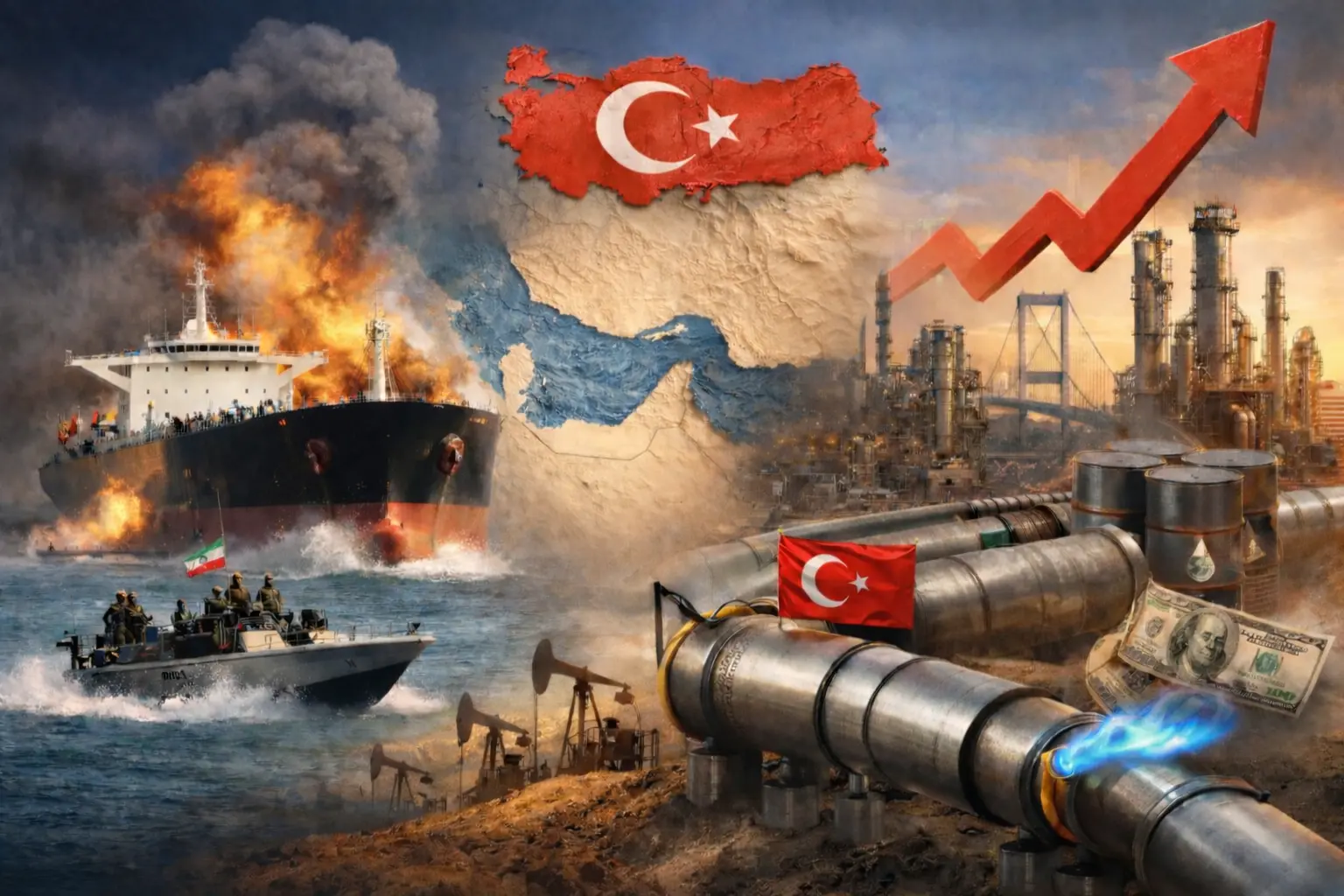
Lately, with the focus on Iran and the Persian Gulf, what's happening in the Middle East? The military activity around the Persian Gulf indicates a renewed rise in tensions in the region. There are reports of some US warships heading towards the Gulf, and Iran, in response, is said to be activating its air defense systems.
Official statements are still quite limited. However, information from the field indicates that both sides are “visibly preparing.” Such reciprocal moves are generally interpreted as a messaging process before direct conflict.1
The region is among the priorities of the world public opinion… The observed activity cannot be described solely as military. It also carries a political meaning. In particular, the recent discussions surrounding Iran's nuclear program have led to a tougher stance from the US side.
“We cannot say that "the parties are at the peace table"...
On the other hand, statements from Iran indicating that "there will be no backing down" are noteworthy. The Tehran administration emphasizes that they are prepared for any potential pressure, a situation that is causing concern among other countries in the region.
Almost the entire Gulf region is embroiled in conflict. The Iranian Revolutionary Guard Corps, recognized as a "terrorist organization" by the European Union, has ignited an energy crisis with its attacks on several regional countries, primarily the United Arab Emirates and Saudi Arabia.
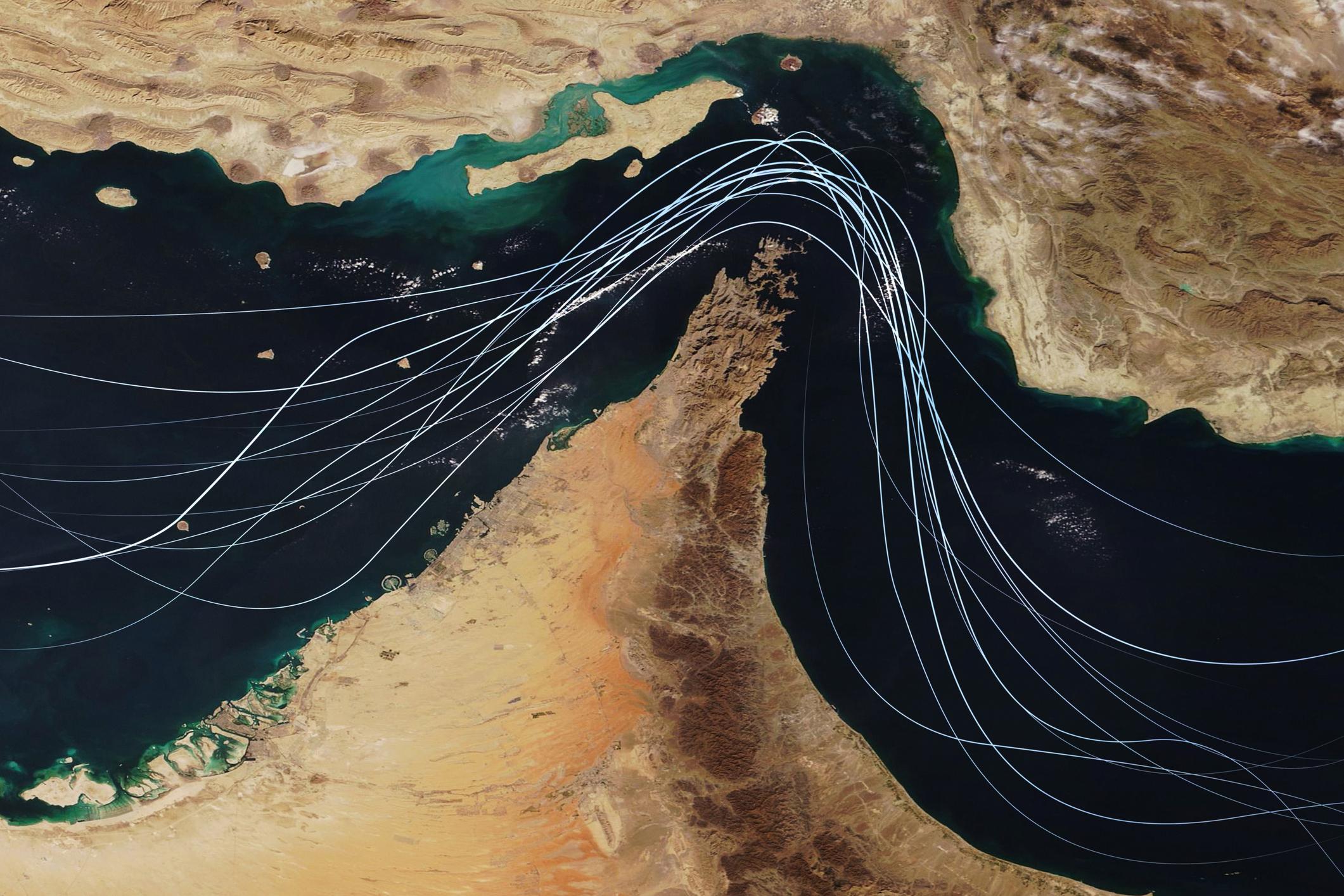
The security of energy pipelines is also one of the most critical issues right now. Since the Persian Gulf is a crucial point for a significant portion of global oil transportation, even the smallest crisis there could directly impact global markets.
For now, there have been no clear signals of conflict from either side. However, the activity on the ground and the increasing number of reciprocal statements indicate that the coming days will be quite critical.
- The parties have been meeting in negotiations for some time. Indeed, the US and Israeli airstrikes against Iran, launched on February 28th, occurred while these negotiations were still ongoing. During this period, Iran has frequently been accused of terrorism, while the Tehran administration views Washington and Tel Aviv as a threat to its independence. ↩︎
Why have tensions risen again in the Gulf?
Recent reports from the field indicate that tensions in the region have not eased, but have instead become more complex. Increased military activity, particularly around the Persian Gulf, suggests that the parties are strengthening their positions rather than backing down.
Reports in the international press indicate that the US is increasing its presence of warships in the Gulf, while Iran is reportedly activating its air defense systems in parallel. This situation is leading to interpretations that, even without a direct conflict, a state of "constant tension" is becoming permanent.
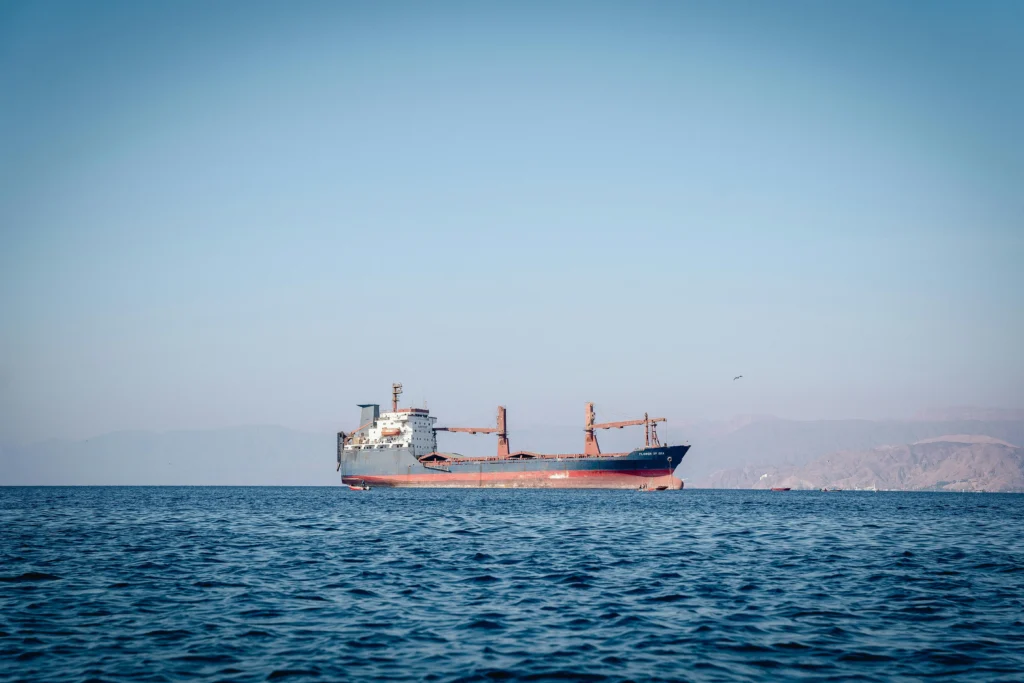
“"The parties don't want to engage in direct conflict, but the actions on the ground suggest the opposite."”
According to security experts closely monitoring the region, recent developments represent a controlled escalation. strategy It could be part of the equation. While keeping diplomatic channels open, the parties are also continuing to send a message to the other side by demonstrating their force on the ground.
On the other hand, while it is assessed that Israel is also indirectly involved in the equation, it is stated that the US is positioning its military presence in the region around the Persian Gulf not only against Iran, but also within a broader security framework. This indicates that the tension may not be limited to just the two countries.
How will the tensions in Basra affect the global economy?
From an energy market perspective, developments in the Persian Gulf are being closely monitored. According to experts, any conflict in the region could lead to sudden fluctuations in oil prices.
“The Persian Gulf is not only a regional but also a global balancing point. Every development here creates a chain reaction.”
Although the limited statements made in recent days suggest that both sides continue to use restrained language, the activity on the ground paints a more tense picture. This is interpreted as meaning that a complete de-escalation of tensions is unlikely in the short term.
While the likelihood of a direct conflict is currently considered low, experts warn of the risk of "miscalculation." A minor incident, particularly in areas with intense military activity, could always trigger a larger crisis.