 Foreign News Service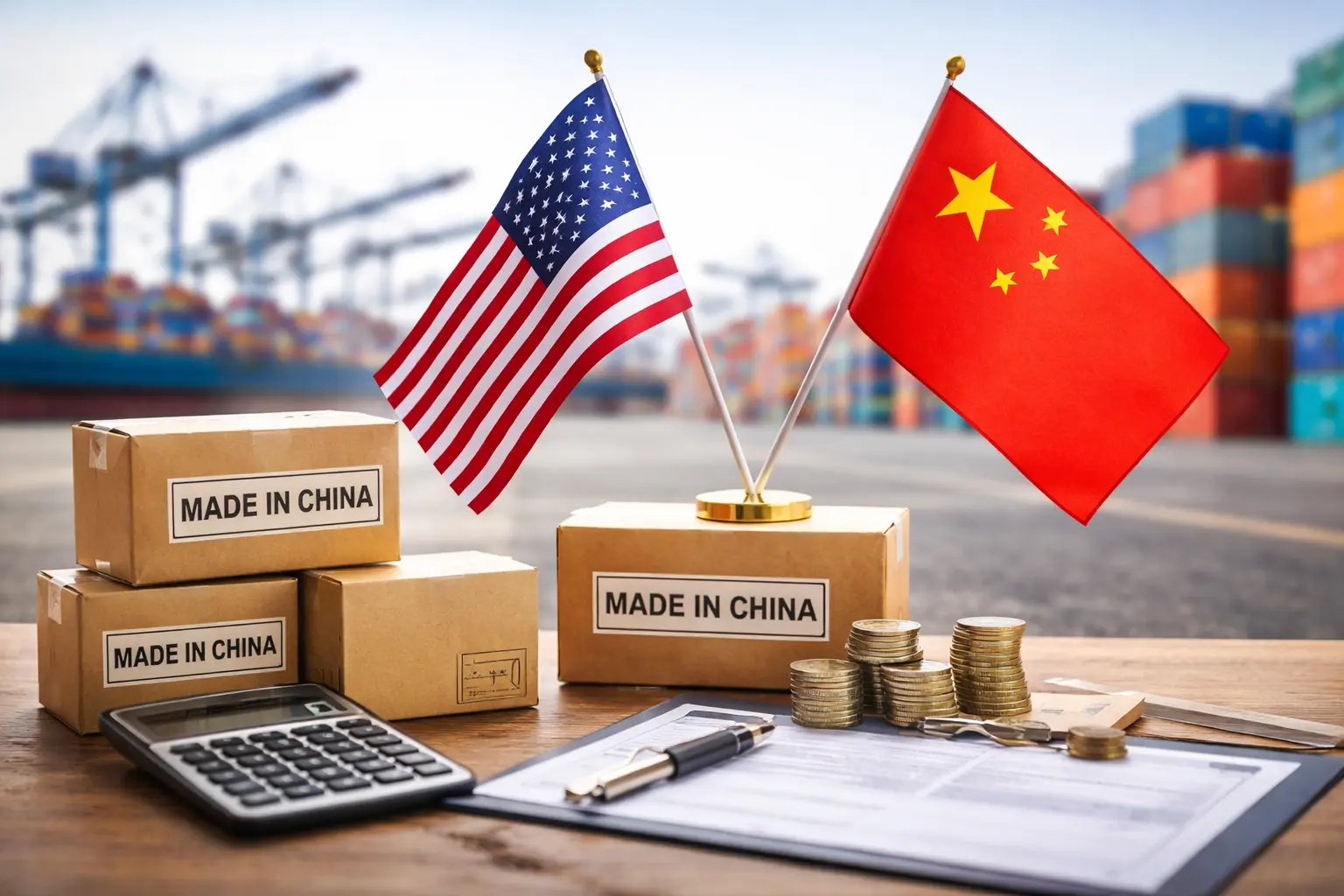
A new tariff move is being debated in the US, signaling a renewed tightening of trade policies. The Washington administration is reportedly considering imposing additional tariffs on certain technology products imported from China. This move, while reminiscent of past trade tensions, also raises new questions about global economic balances.
Pressure for Local Production is Increasing
In this context, the new tariff measures in the US aim to encourage domestic production.
People working in the industry are now clearly sensing Washington's seriousness on this issue. In recent weeks, various tariff options have been discussed. Critical technology sectors, from semiconductors to energy storage systems, are being examined one by one.
The policy's aim is actually transparent: to support American manufacturers while simultaneously curbing China's rapid technological advancement. Over the years, Washington has provided billions of dollars in support through measures like the "Chips Act." Now it's trying to complement this with tariffs – a strategy of both suppression and withdrawal.
Prices will rise, uncertainty will continue.
Of course, this decision is not easy. Those working in the technology sector are confused about what the customs duty will bring. On the one hand, domestic production is desired, but on the other hand, product prices will increase rapidly.
Electrical products will become more expensive. From phones to laptops, solar panels to batteries. Supply chains will naturally change as well – some companies will move production outside of China, but this shift is difficult to predict. Inflationary pressure will increase noticeably, especially on battery, panel, and chip prices.
Manufacturing companies are currently calculating two things in their minds: "Who will we bill for the cost, and how will we distribute it?"“
China will respond.
Beijing has remained silent yet, but everyone knows it will respond. History shows this. In similar situations, it has imposed taxes on American farmers' produce, the automotive industry, and even the pharmaceutical sector.
The same game is expected to be played this time as well. That's part of the problem – trade wars hurt both sides, but nobody wants to back down. The difference now is that, with artificial intelligence and energy systems involved, it will be a broader and more "technology-driven" confrontation than the usual agricultural and automotive cycles.
The market is waiting.
Clearly, the market is waiting with some uncertainty. The moment the decision is made, the roles of countries like Japan, South Korea, and Taiwan will change. These three countries are all major players in chip and energy technology. Europe is also currently preparing its own protection measures.
What we are seeing today is essentially the emergence of a new "trading order." Economic decisions are no longer purely economic – they incorporate geopolitics, national security, and technological dominance.
End of April is critical.
If a decision isn't made within the next few weeks, the market will become even more confused. Technology companies, logistics companies, retailers – nobody likes waiting. A clear policy is needed, otherwise uncertainty cuts spending.
An announcement is likely to be expected towards the end of April. Until then, investors, manufacturers, consumers – everyone will continue to watch.
Related News:
 Real Estate Crisis in China: 5 Key Issues Pressuring the Market After Evergrande
 What is the value of the dollar in Turkish Lira? Current exchange rates announced as of April 2, 2026.
 Türkiye's 2026 World Cup fixture list has been announced: opponents and match times have been revealed.
 A historic turning point in Hungary: How will the 16-year post-Orban era change the balance of power in the EU?