 Foreign News Service
For years, it has been associated with energy resources and geopolitical crises. Middle East, Today, a quiet but profound revolution is taking place: the unstoppable rise of technology. Countries in the region are not only transforming their economies, which were previously solely based on oil revenues, but are also becoming active players in the global digital race. So why is this transformation so critical? Because the power of the future no longer lies in underground resources, but in artificial intelligence laboratories, advanced defense systems, and smart infrastructure projects.
From the Gulf to Silicon Valley: A Billion-Dollar Move
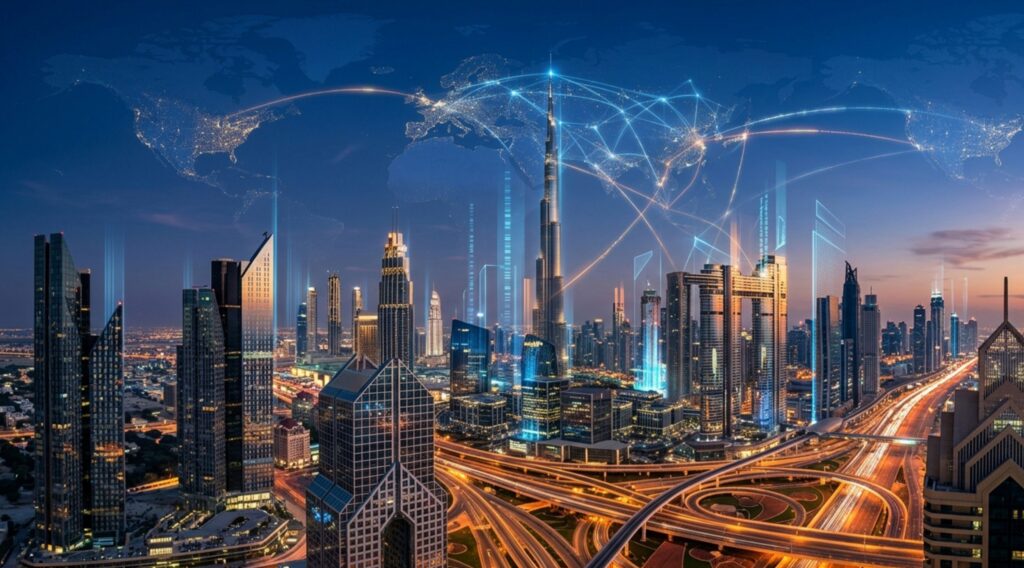
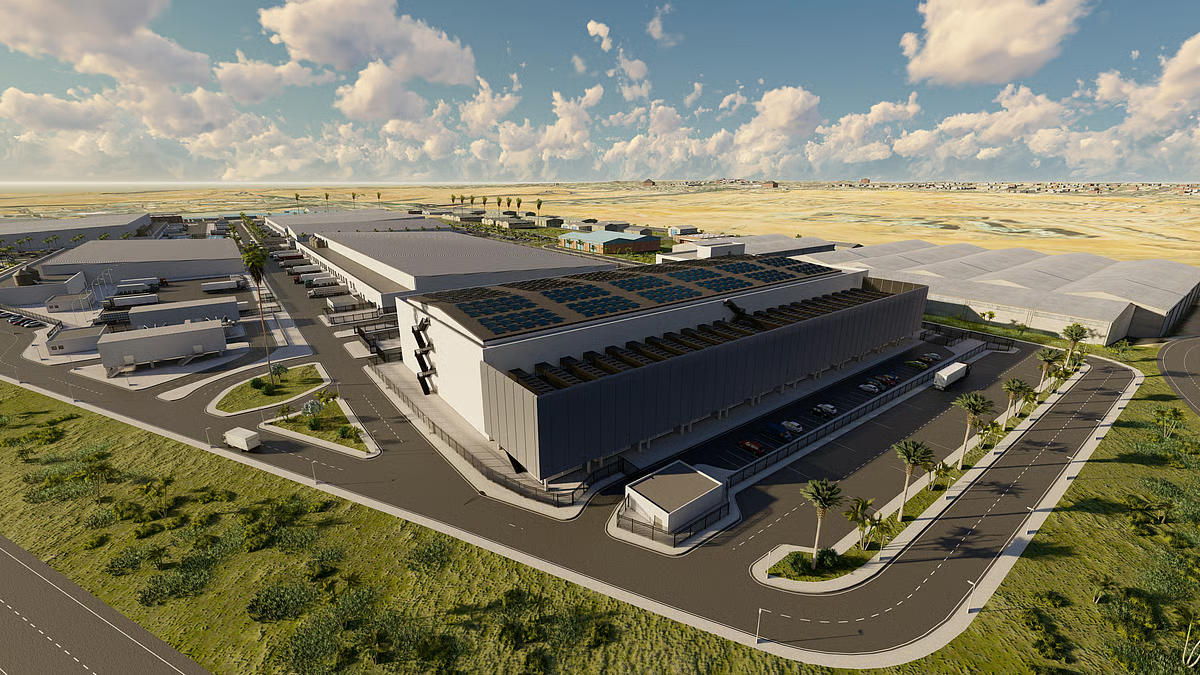
The most tangible indicator of this transformation is hidden in the numbers. Countries like the UAE, Saudi Arabia, Qatar, and Bahrain have launched tens of billions of dollars worth of hyperscale data center and AI infrastructure projects in the last few years, while technology giants like Microsoft, Amazon, Google, and Oracle are building large-scale data centers or expanding their existing capacity in the region. Dcnetworkturkiye During Trump's visit to the Gulf last year, not only statesmen but also top executives from Fortune 500 companies such as Tesla, Google, OpenAI, Nvidia, Uber, Blackrock, and Blackstone were at the table. World Newspaper This table clearly shows that the region is now positioned not as an energy supplier, but as a technology partner.
Digital Independence in the Defense Industry: The Israeli Model
The most striking example of technological transformation comes from Israel. Unit 8200 of Israeli intelligence conducts advanced research in signal intelligence, cybersecurity, and data analysis, while its Data Science and Artificial Intelligence Center develops systems that "completely transform the concept of targeting.". Timeturk Furthermore, Israel's $1.2 billion Project Nimbus agreement with Google and AWS in 2021 integrates intelligence gathered from satellite imagery to social media data with cloud infrastructure. Timeturk Result: a targeting system capable of scanning millions of data points in seconds, far exceeding human capabilities.

Asymmetric Threats of the New Era: Data Centers Are Now Military Targets
This digitalization process also brings new threats. The direct or indirect impact on some major data centers in the Gulf during recent regional conflicts served as a serious alarm for global technology companies. Since data centers are now systems that support not only cloud services but entire strategic infrastructures, the downing of a data center represents not just a technical problem, but an economic and strategic risk. Dcnetworkturkiye Israel's AI targeting systems like "Lavender" and "Gospel," along with automated cyberattacks targeting Iranian infrastructure, have transformed every aspect of daily life, from traffic lights to energy grids, into a potential digital stronghold. Morning
Conclusion: Those who produce the technology win.
Although geopolitical developments in the region may create short-term uncertainty, global technology companies are not expected to halt their investments in artificial intelligence infrastructure. On the contrary, the creation of new regional hubs to balance the risks will be on the agenda. Dcnetworkturkiye For those following international relations, it has become essential to monitor not only diplomatic contacts but also countries' cyber capacity building and technological investments. In this new era where digital codes are redrawing boundaries, being able to correctly interpret change is the most reliable way to identify tomorrow's winners today.