 Foreign News Service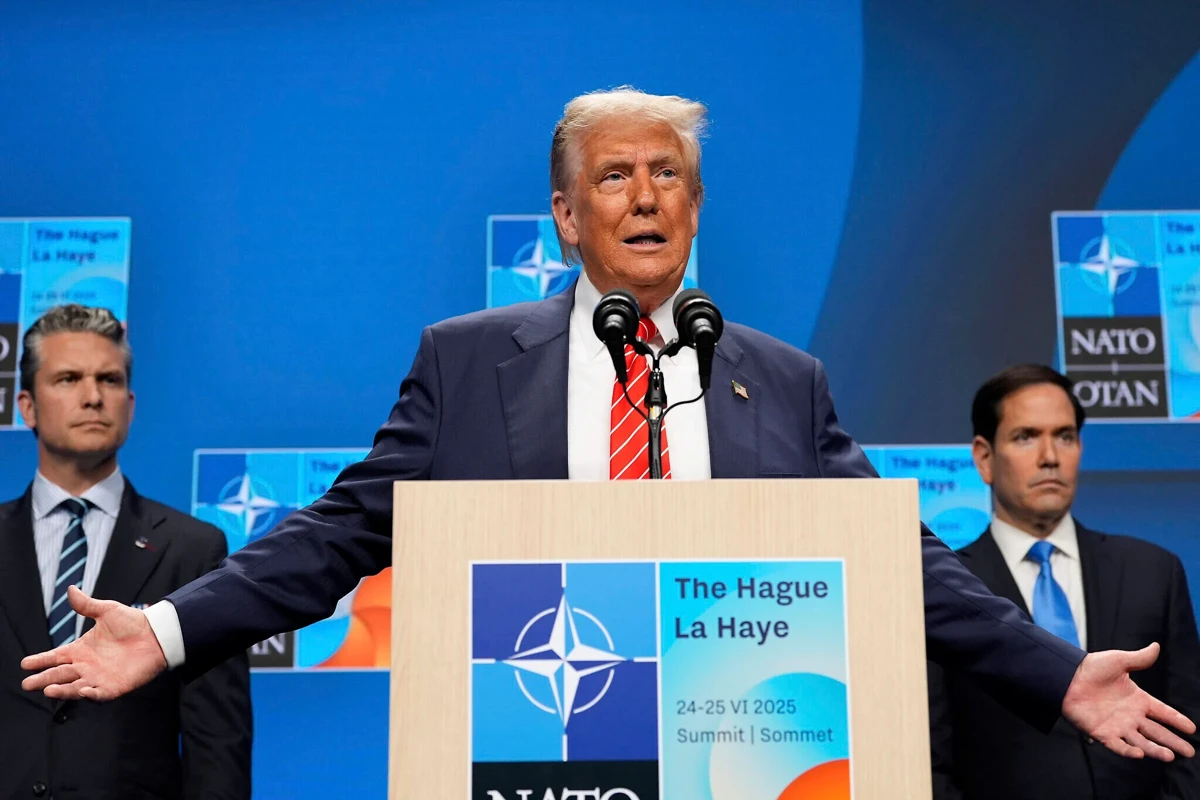
The alliance between Europe and the United States has begun to crumble. US President Donald Trump harshly criticized Europe, particularly Britain, for not supporting them in the fight against Iran.
As tensions escalate in international politics, deep divisions have emerged between the US and Europe following the attack on Iran. Washington's actions, followed by President Donald Trump's scandalous statements, reveal a serious rift within the Western alliance.
CLAIMS OF ISOLATION AFTER THE IRANIAN ATTACK
The expected international support did not materialize after the US military action against Iran. Neither NATO allies nor European countries provided strong support to Washington. In response, the US adopted a tough stance. In particular, President Donald Trump's statements escalated diplomatic tensions.
TRUMP LAUNCHES SHARP CRITICISM AGAINST BRITAIN AND EUROPE.
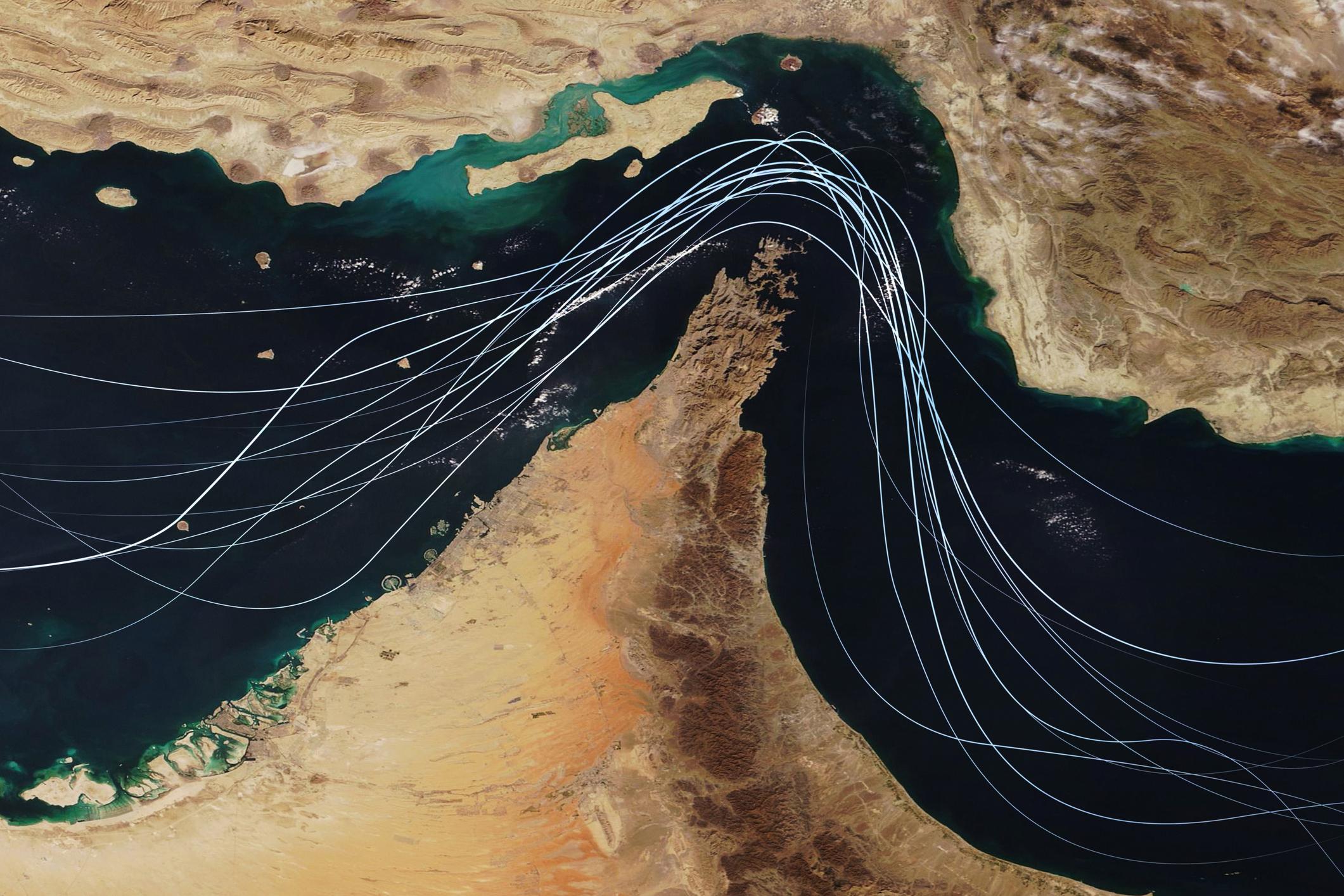
Trump addressed countries experiencing jet fuel shortages due to the crisis in the Strait of Hormuz. Specifically targeting the UK, Trump emphasized that the United Kingdom had refused to participate in planned military operations against Iran.
Trump stated, “To all the countries that cannot obtain jet fuel because the Strait of Hormuz is closed, I offer this: Buy fuel from us, we have plenty. Or, be brave and go to the strait and get it. You need to learn to fight your own battles. The United States will not be there to help you.”.
Trump also stated that the US acted alone in the Iran operations, continuing to criticize his allies by saying, "We did the hard part, we hit Iran. Now go and get your own oil.".
STRIKING DECISIONS FROM FRANCE, ITALY, AND SPAIN.
Moves from Europe also deepened disagreements with the US. France prevented planes carrying military equipment to Israel from using its airspace. The Trump administration harshly criticized this decision, stating that they would "not forget" it.
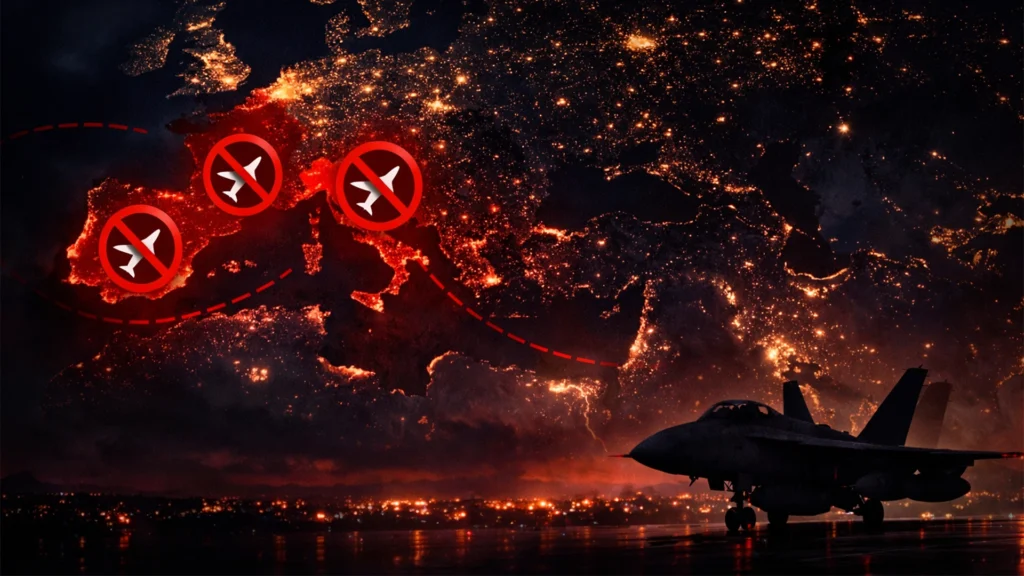
Similarly, Italy and Spain decided to close their airspace to US aircraft participating in the operation against Iran. These steps demonstrated Europe's distance from military intervention.
ARE THERE DEEP CRACKS IN THE WESTERN ALLIANCE?
Experts emphasize that what is happening is more than a temporary diplomatic crisis. Military and political coordination between the US and Europe has been seriously damaged. It is predicted that in the long term, even the balance within NATO may be affected.
Limited support for the operation against Iran and the successive restrictive decisions taken by European countries reinforce the view that Washington is becoming increasingly isolated on the international stage.
GLOBAL BALANCES ARE BEING RESHAPED.
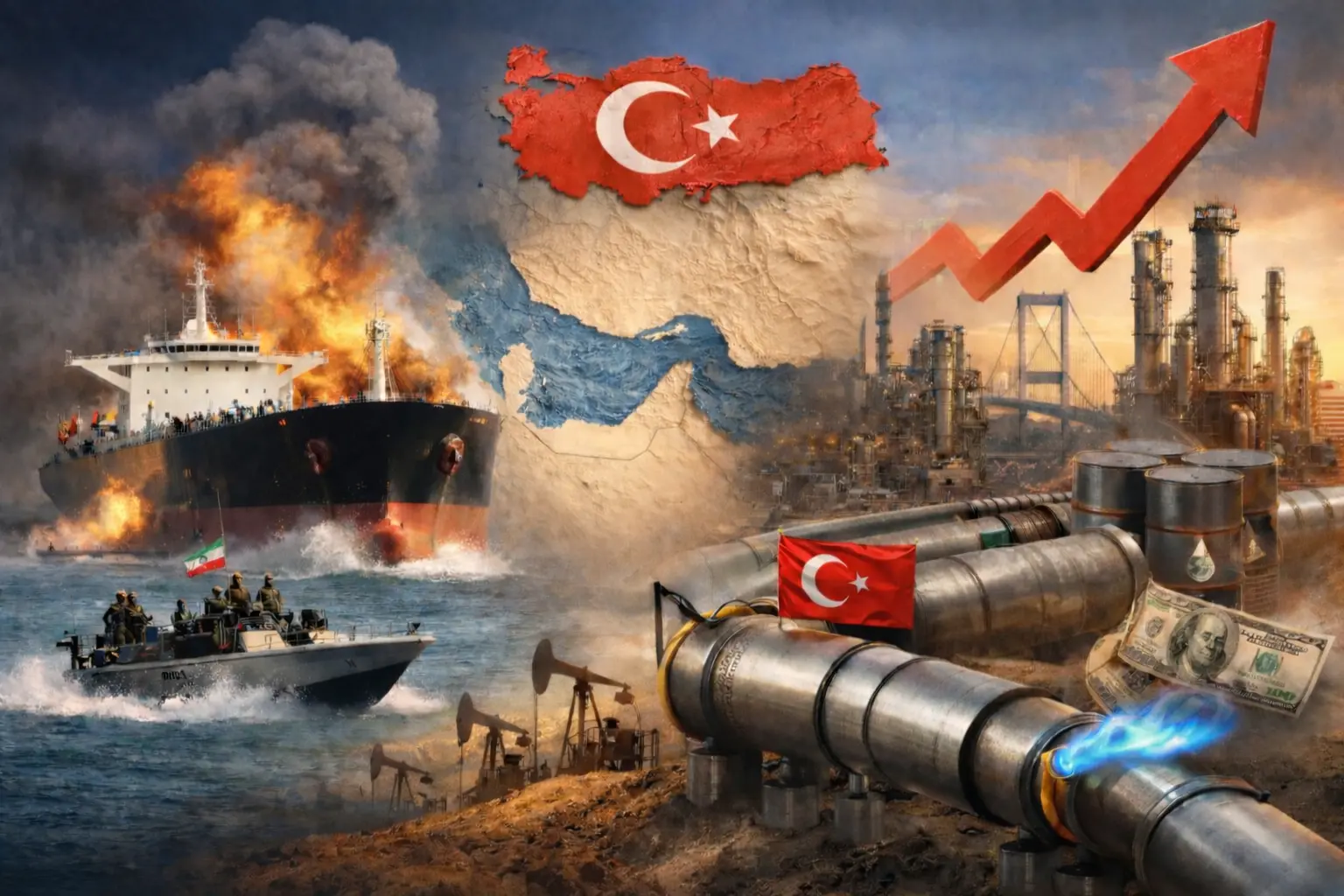
This tension could affect not only US-European relations but also global power balances. The energy crisis in the Strait of Hormuz and the related economic pressures may pave the way for new diplomatic moves in the coming period.
All these developments have brought the question of "Is the Western alliance disintegrating?" back to the forefront in international public opinion, and how relations between Washington and European capitals will evolve is being awaited with great interest.